Case study

Case Study

Every project begins with understanding the process and the customer's needs.

Integration

Every project starts with understanding the customer’s requirements and the challenges related to the packaging or production process. At the initial stage, we carefully analyze technical requirements, project objectives, and production specifics to ensure the most suitable solution.
Next, in close cooperation with the customer and our technical team, we develop a customized concept that takes into account all key aspects of the production process.
Once the project is approved, we move on to the implementation and machine manufacturing stage. The final step is the installation and commissioning of the equipment at the customer’s facility, including comprehensive operator training and technical support to ensure a smooth and efficient production start-up.

Contact us
01

CHALLENGE

The starting point of every project is understanding the customer's needs and the challenges related to production and packaging processes. At this stage, we analyze technical requirements, product characteristics, and all key factors affecting the efficiency of the future solution.

02

BRAINSTORM

During the next stage, together with the customer and our technical team, we develop the concept of the solution by analyzing the production process, technical requirements, and opportunities for optimizing the entire project.

03

PROJECT AND PRODUCTION

Once the concept has been approved, we proceed to the project execution and machine manufacturing phase, tailoring the equipment to the specific requirements of the customer's production process.

04

IMPLEMENTATION

The final stage involves machine installation at the customer's facility and comprehensive operator training. We also provide ongoing technical support to ensure a smooth and trouble-free production start-up.

Our realizations

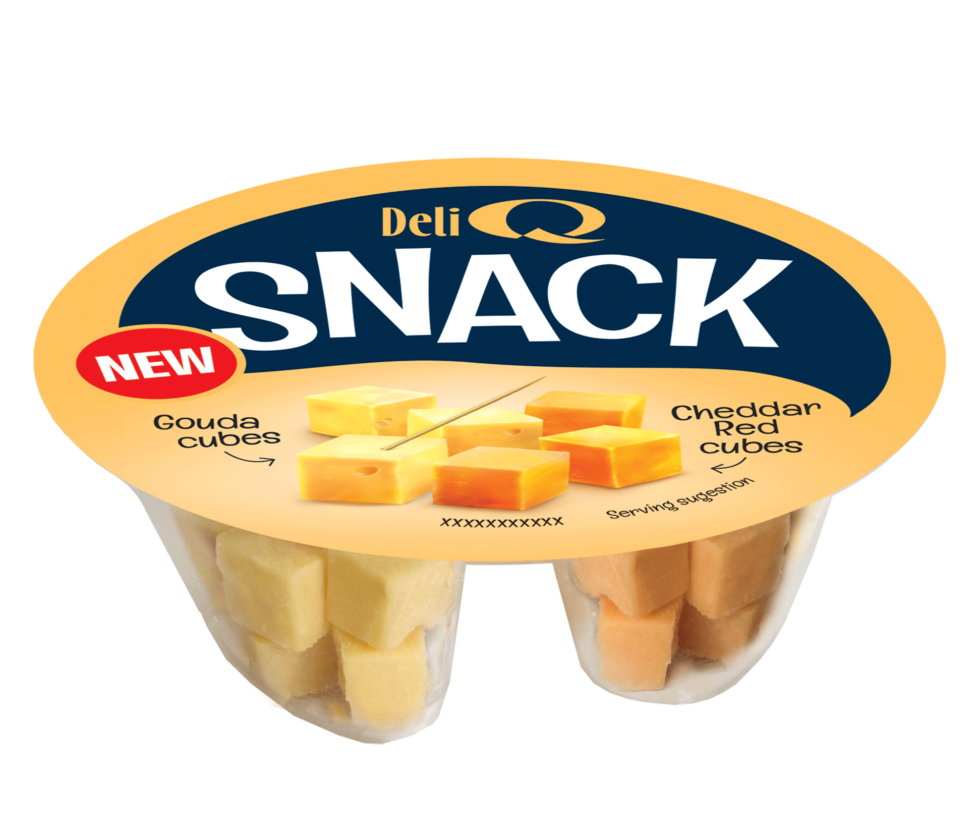
Project: Selection of cheese in a tray Project: Selection of cheese in a tray
VFFS machine – V200-D
Project: Selection of cheese in a tray
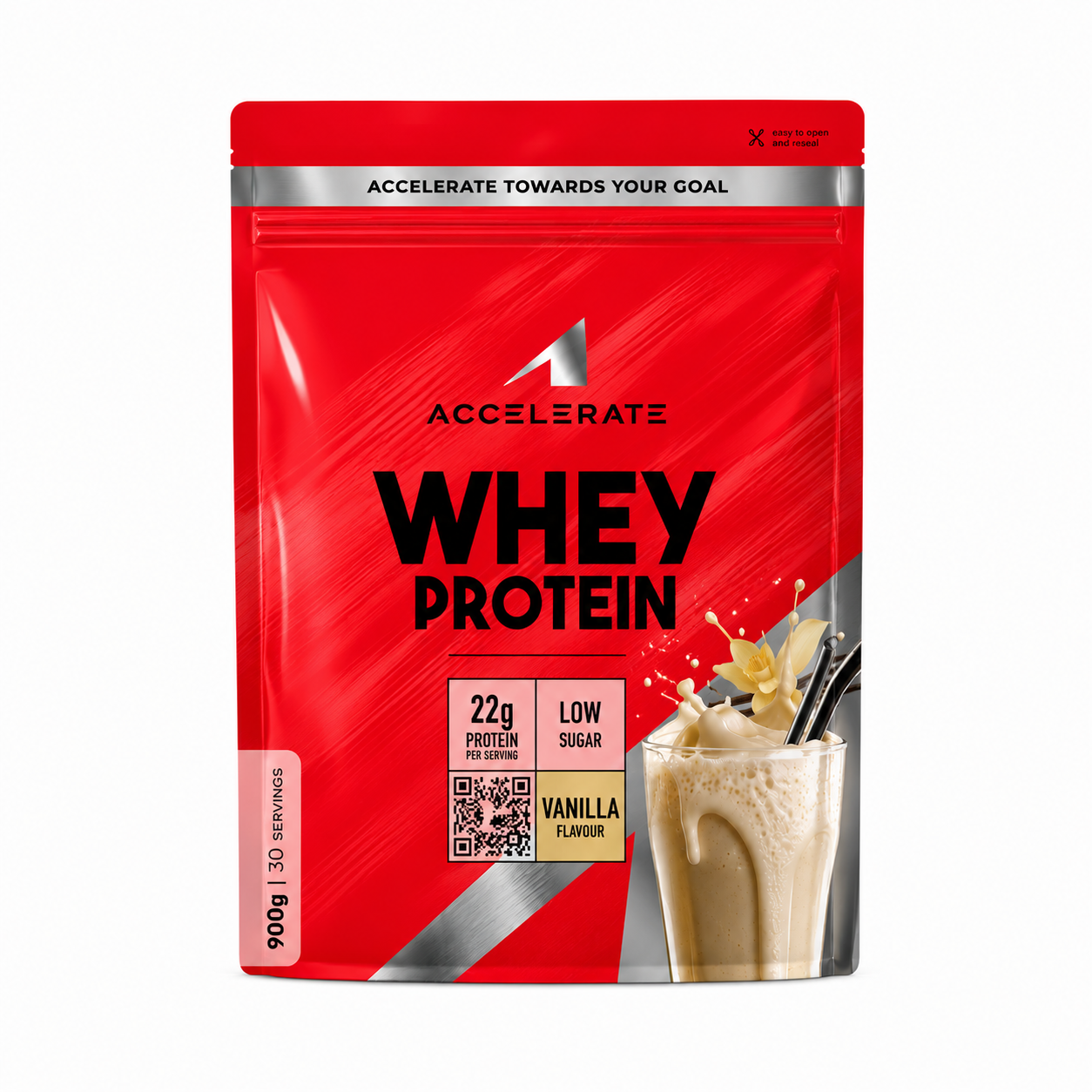
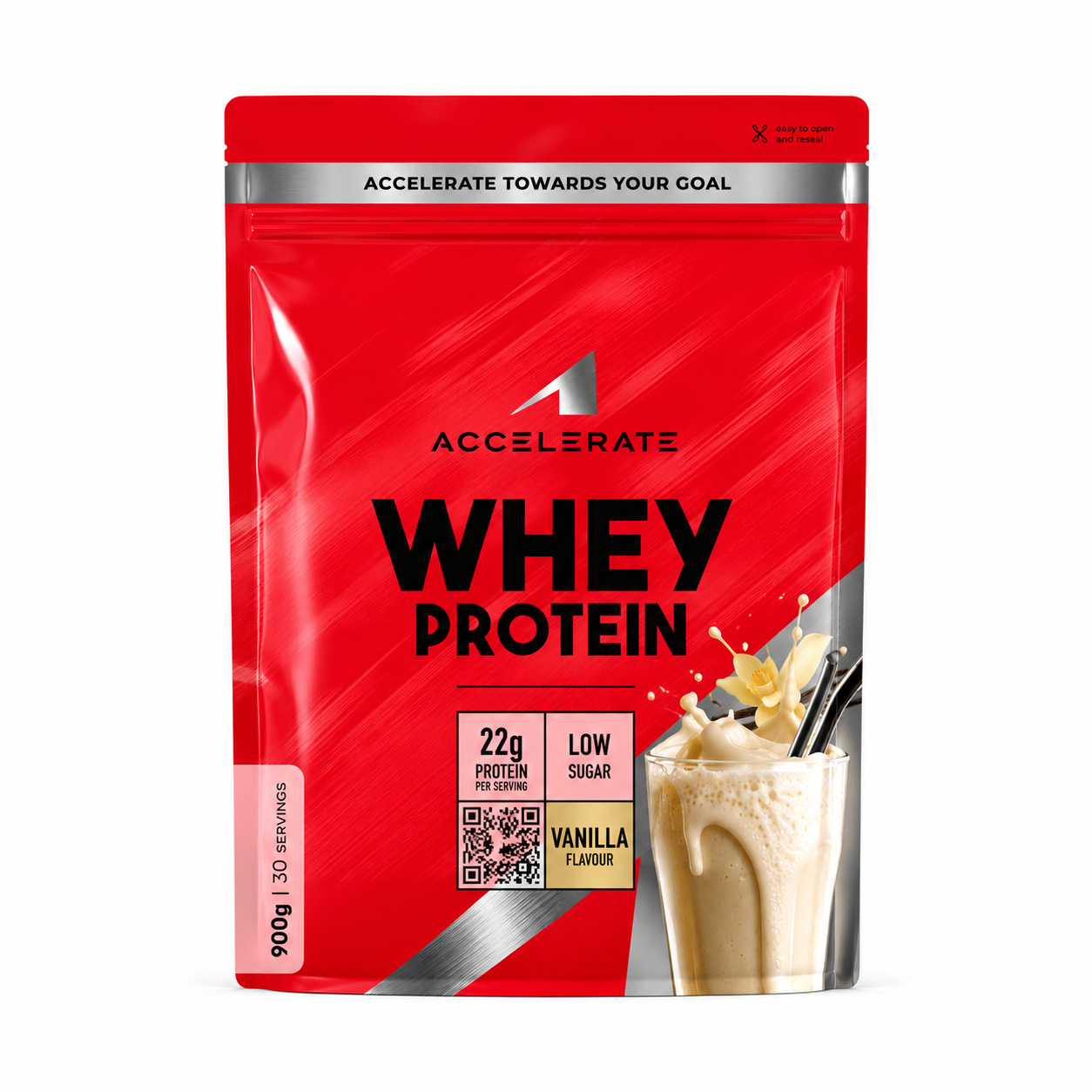
Project: whey powder into a doypack. Project: whey powder into a doypack.
Project: whey powder into a doypack.
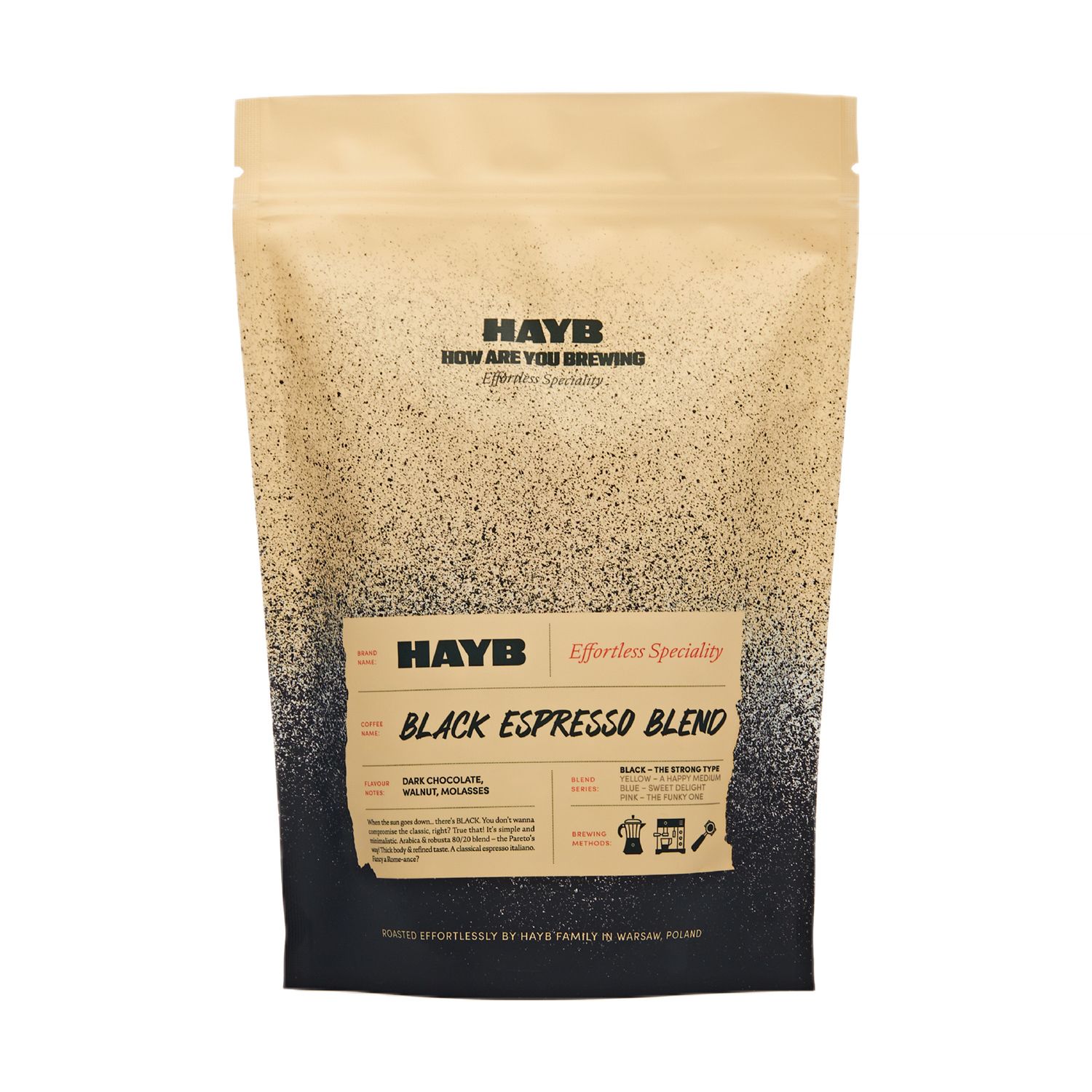
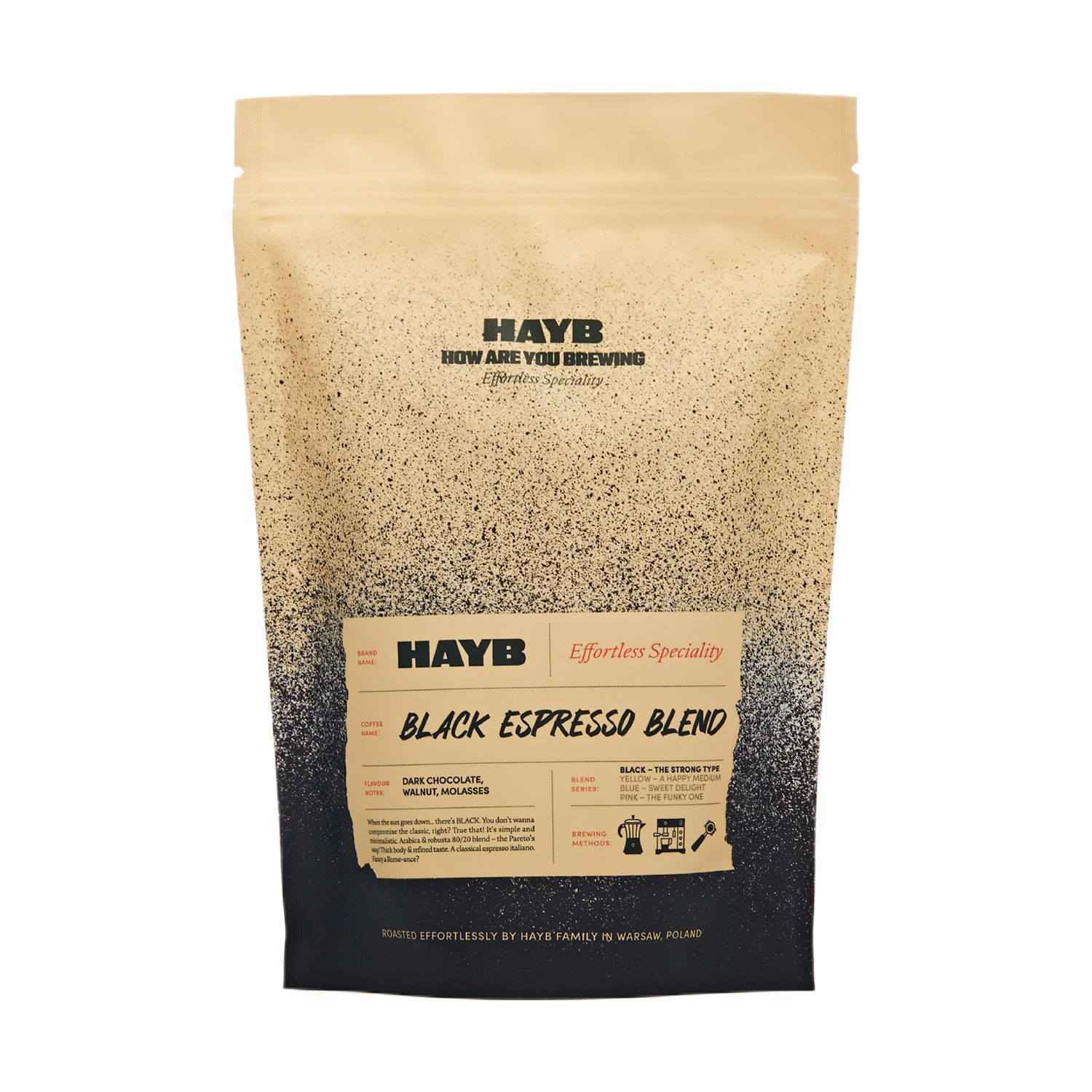
HAYB HAYB
Preformed pouch packing machine – RPL-260
Project: Coffee beans in doypack 500, 1000 and 2000gr

FAQ

What is the difference between a Vertical Packaging Machine and a Premade Pouch Packaging Machine?

The main difference lies in the type of packaging material used and the packaging method.

Vertical Form Fill Seal (VFFS) machines create packaging directly from a roll of film, making them a more cost-effective solution on a per-package basis while also enabling higher production speeds. They are ideal for free-flowing products such as rice, chips, coffee, powders, and similar products.

In contrast, premade pouch packaging machines work with pre-manufactured bags, such as zipper-equipped Doypack pouches. Although this process can be slightly slower and the packaging materials more expensive, it provides a much more attractive, retail-ready appearance that is highly desirable for premium products.

As a result, VFFS machines are typically chosen for maximum efficiency and lower packaging costs, while premade pouch machines are preferred when packaging presentation and product image are key priorities.

What products can be packaged using chamber vacuum packaging machines?

**Chamber vacuum packaging machines are extremely versatile.** They are most commonly used for packaging fresh meat, processed meats, fish, cheese, as well as liquid products such as soups and sauces (in vacuum bags).

Beyond the food industry, vacuum packaging machines are also widely used for packaging electronic components, protecting them from moisture and corrosion, as well as mechanical parts, medical products, and even banknotes or important documents.

The primary limitation is the size of the machine's vacuum chamber, which determines the maximum dimensions of the products that can be packaged.

Do Ocean Systems packaging machines come with a warranty and service support?

**Yes, absolutely.** Every packaging machine purchased from Ocean Systems is covered by a warranty.

Furthermore, we provide comprehensive after-sales support. We understand that machine downtime means lost revenue for your business, which is why we offer professional warranty and post-warranty service.

Our experienced technicians have the expertise and access to spare parts necessary to resolve issues quickly and efficiently. We also provide operator training to ensure that packaging equipment is used safely, correctly, and at maximum efficiency.

Our goal is not only to deliver reliable packaging solutions but also to support our customers throughout the entire lifecycle of their machines.

Can one machine package different package sizes?

**In most cases, yes.**

Packaging machines, particularly **vertical packaging machines (VFFS)** and **Compack-type machines**, are designed to handle different package sizes. They typically feature adjustable or interchangeable **forming tubes**, which allow the width of the bag to be changed. The bag length is usually adjusted electronically via the machine's control panel.

In the case of **premade pouch packaging machines** (such as **Doypack packaging machines**), the gripper system is also designed with an adjustable range, allowing the machine to accommodate various pouch sizes.

However, it is important to remember that changing over a machine to a different package format requires some setup time. This should be taken into consideration when planning production schedules and product changeovers.

What is Modified Atmosphere Packaging (MAP)?

**MAP (Modified Atmosphere Packaging)** is a packaging process in which the air inside the package is replaced with a carefully selected gas mixture, typically consisting of **nitrogen (N₂), carbon dioxide (CO₂), and oxygen (O₂)** in varying proportions depending on the product.

Packaging machines equipped with MAP technology help preserve the product's natural color, taste, and freshness without the need for preservatives. At the same time, they protect delicate products such as fresh salads, bakery items, or potato chips from being crushed, which could occur if all the air were removed through vacuum packaging.

As a result, MAP extends shelf life while maintaining product quality and presentation, making it one of the most widely used packaging technologies in the food industry.

How do I choose the right dosing system for my product?

**The choice depends on the physical characteristics of the product.**

For **powdered products** such as flour, powdered sugar, spices, or protein powders, **auger filling systems** are typically the best solution, as they ensure accurate dosing while minimizing dust generation during the filling process.

For **solid, fragile, or irregularly shaped products** such as candies, frozen foods, pasta, nuts, or snacks, **multihead weighers** are the ideal choice. They provide the highest level of weighing accuracy while maintaining high production speeds.

For **liquid and semi-liquid products**, such as sauces, soups, oils, or creams, specialized **piston fillers** or **flow meter dosing systems** are commonly used to ensure precise and consistent filling.

Our experts always work closely with customers to select the dosing system that best matches their product characteristics, production requirements, and business objectives.

Do Doypack packaging machines support zipper closures?

**Yes, most modern packaging machines, including the premade pouch packaging machines in our portfolio, are designed to handle pouches with zipper closures.**

The machine automatically opens the zipper before filling the pouch, and after the product is dispensed, it closes the zipper and seals the pouch above the zipper line.

This is a key feature for products that consumers use multiple times, as it allows the package to be conveniently reclosed and helps maintain product freshness after opening.

Zipper-equipped pouches are commonly used for products such as pet food, coffee, tea, nuts, snacks, dietary supplements, and other products where convenience and product preservation are important.

What production output can be achieved with packaging machines?

**Production output can vary significantly depending on the machine model, product type, and portion size.**

A standard **vertical packaging machine (VFFS)** can typically operate at speeds of **20–40 packages per minute**, while more advanced systems equipped with **multihead weighers** can achieve outputs of **80–120 packages per minute** or even higher, depending on the application.

For **premade pouch packaging machines**, **rotary models** generally offer higher throughput than **linear machines**, making them a preferred choice for higher-volume production environments.

Because production performance depends on many variables, we always provide an estimated output based on your specific product and application requirements. This allows you to accurately plan production capacity and select the most suitable packaging solution for your operation.

Have more questions?

Contact us